Silk Plants, Artificial Foliage
and Greenery: Making Your Silk
Flower Arrangements Complete
Silk plants, artificial foliage and additional greenery can make any
flower arrangement more lively. Here are foliage tips and usage ideas to
dramatically enhance your next silk flower centerpiece.
Lush
greenery enhances the color and beauty of neighboring blossoms,
providing a very pleasing and natural contrast. Although most silk
flower stems have some leaves on them, additional leafy foliage
completes and fills out a floral arrangement. Mixing foliage, as well as
floral elements, can make a silk flower centerpiece much more
interesting.
Silk foliage is available in every variety — from
eye-catching silk orchid or other tropical plants, right through house
plants, floor plants and even full-sized artificial trees (another
subject entirely). Small leaves, big leaves, giant leaves — it's a
jungle out there!
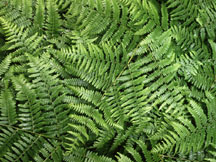
Different materials and methods are used to make modern artificial
plants as realistic as possible. Those that have leaves with fine
detail, such as fern plants, may be made of carefully modeled and finely
molded plastics, rather than fabric. It's hard to be sure if they are
real or artificial unless you touch them.
As with silk flowers,
the leaves and stems of faux plants may be individually wired so you can
shape them to any position and direction you wish, depending on quality
of construction and materials used. Whether there are eight huge leaves
or twenty small ones, everything eventually joins to a single main stem
(in most cases).
Note that silk plants and bushes can be cut into separate pieces to be placed as desired.
Artificial Foliage and Greenery Stems
Single stems of
artificial greenery and foliage are important as well. Elements such as
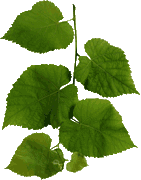
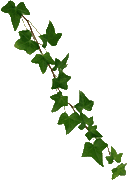
Rose Leaf, Grape Leaf, Ivy vine shoots and Fern fronds (there's a
mouthful — salad, anyone?) can be placed to camouflage the base and fill
gaps in an arrangement.
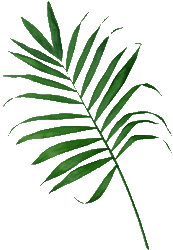
Even one Palm Leaf can add dramatic impact when positioned at the back or side of a floral design.
Pictures below: Palm frond, Grape Leaf, Ivy vine.
Silk Plant Flower Arrangements
You can create some very
interesting effects by combining leafy plants or vine bushes with silk
flowers, rather than just adding sprigs of foliage here and there.
When using artificial plants or bushes in a floral design, I find that
it is best to insert the plant first. Roughly position the leaves where
you want them, then work the flowers in around the plant stem and
leaves.
When using single vine shoots or foliage stems, it's
easier to make the silk flower arrangement first. Then position the
greenery to camouflage as you like.

For a lush tropical effect, try combining several silk tropical plant
varieties with leaves of different shapes, sizes and colors.
Flowers
are optional, but some tropical plants do have blossoms. Artificial plant
arrangements like these can really dress up an entryway or corner spot.
Experiment, and have fun creating your own tropical paradise with silk plants, artificial foliage and greenery!
(NOTE: photos on this page may depict real plants.)
|
You're reading a SAMPLE from: |

Check out my 198-page book,
The Silk Flower Centerpiece Handbook:
A Course FOR IMPATIENT PEOPLE...
in a matter of DAYS, not months or years,
you'll know just about everything I've learned over 20 years!
Return from Silk Plants and Artificial Foliage Tips page
to Silk-Flower-Smart home page

Copyright © 2003-2023 Silk-Flower-Smart.com. All rights reserved.
Unauthorized duplication or publication of any
materials from this Site is expressly prohibited.